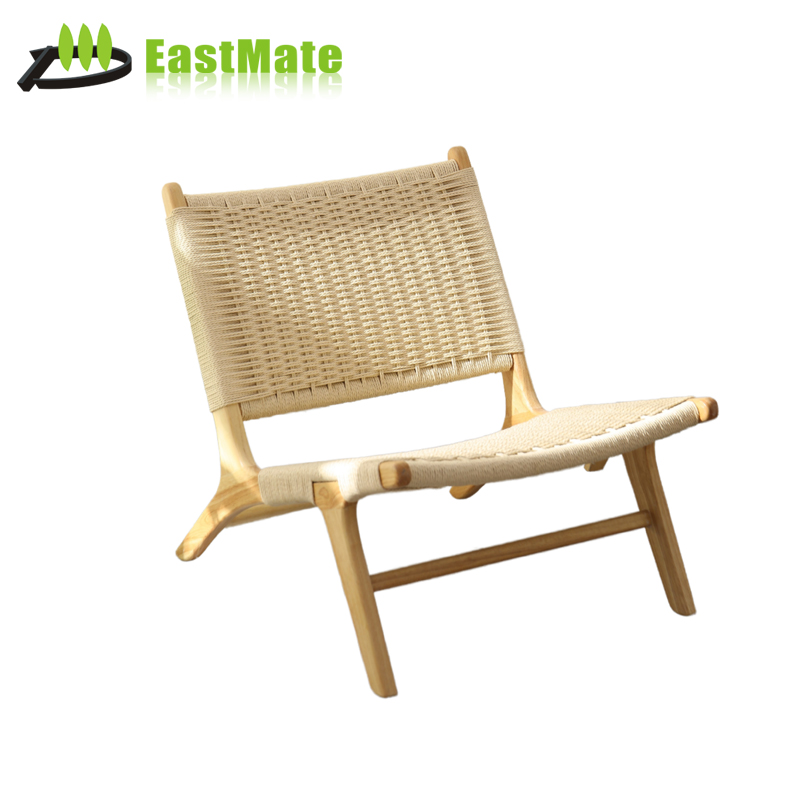
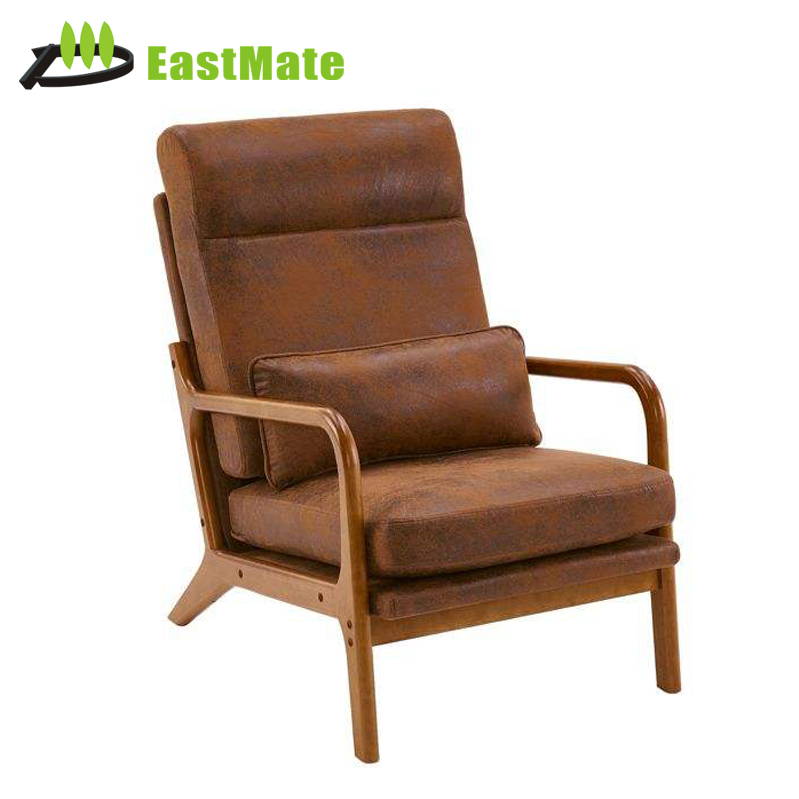
Nordic Minimalist Reclining Solid Wood Leisure Chair Tea Table Modern Home Furniture for Apartment Living Room Villa Home Office
E1-grade internal substrate, solid ash frame, scratch-resistant matte conversion varnish finish.
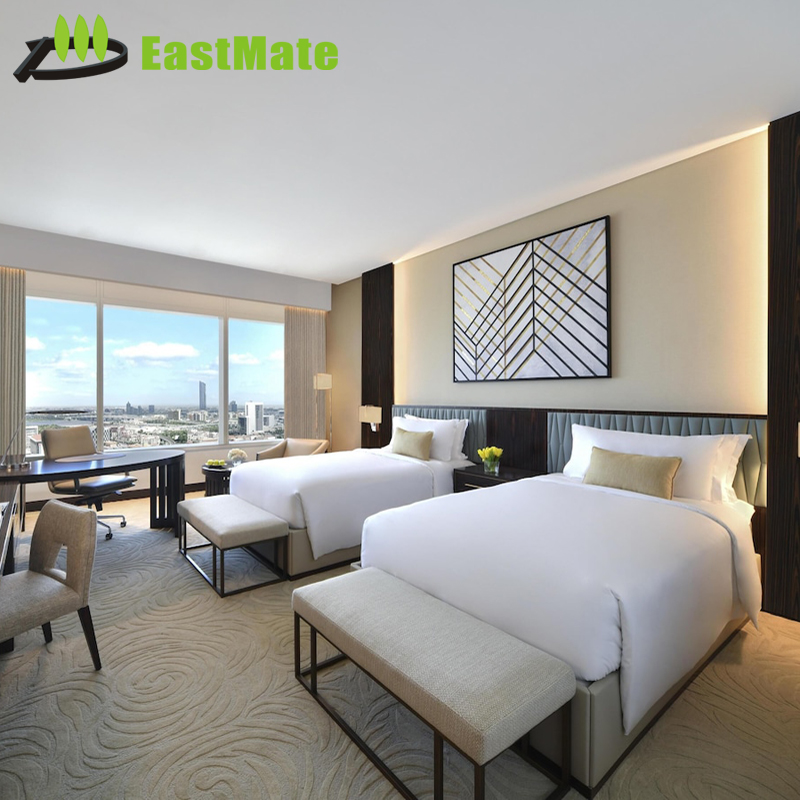
Explore contract-grade casegoods engineered to withstand rigorous high-traffic hotel operations while elevating guest well-being and visual quiet luxury.
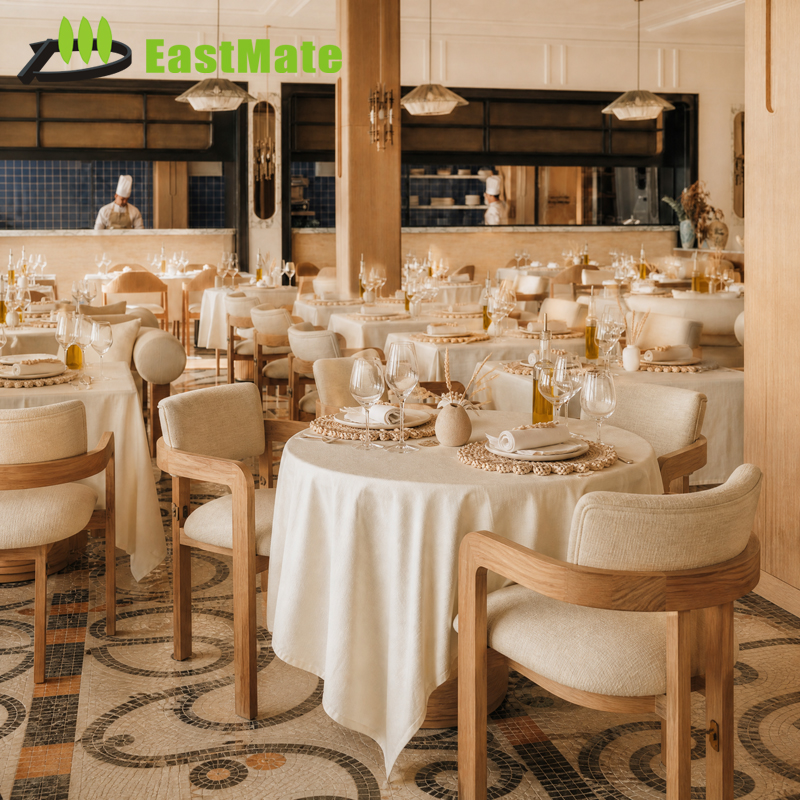
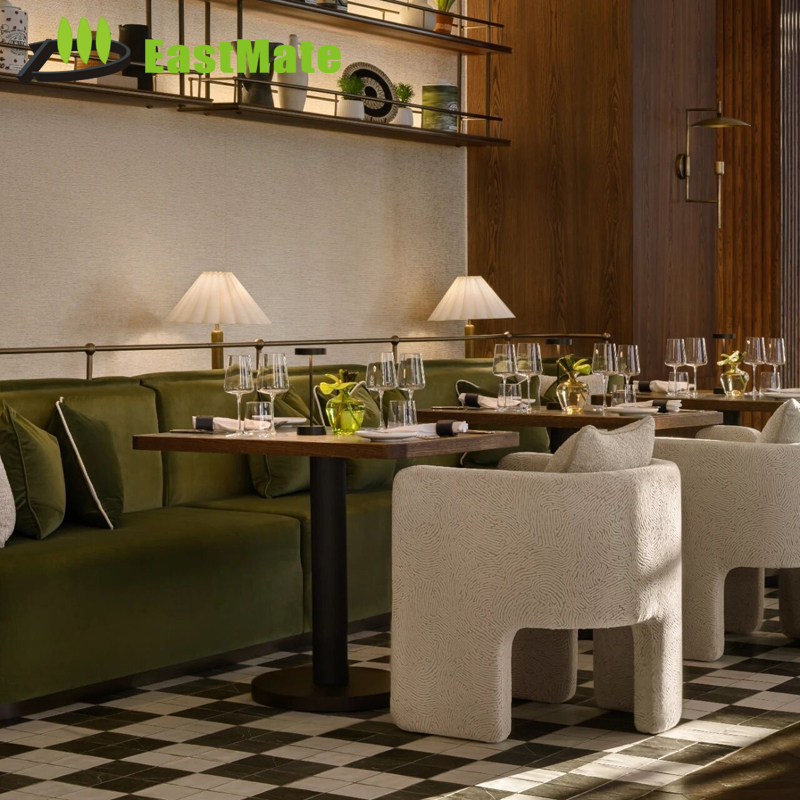
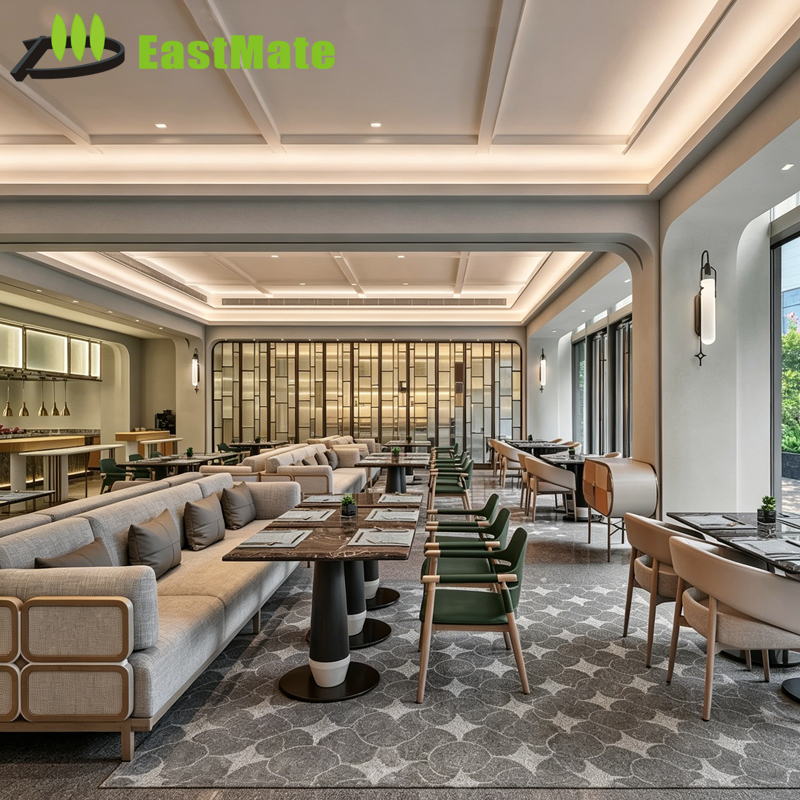
A technical examination of how evolving hotel operator benchmarks, sustainability compliance, and traveler behavioral shifts are transforming FF&E specification protocols.
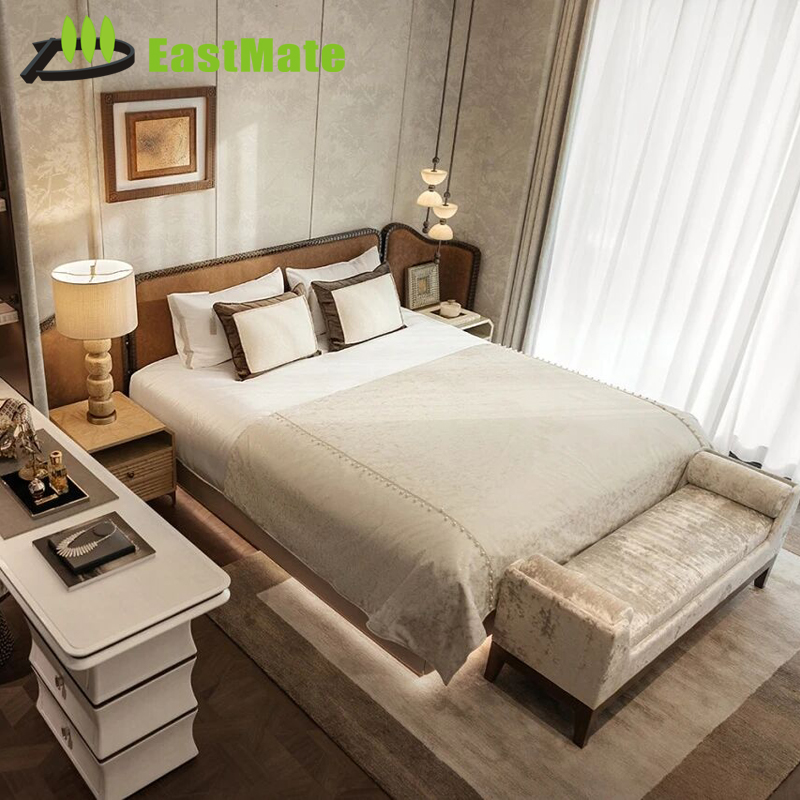
In modern luxury hospitality interior architecture, the hotel dressing table is no longer an isolated ornamental fixture; it has evolved into a high-utility convergence zone blending personal grooming, ergonomic remote-work capabilities, and smart hospitality IoT touchpoints. According to global FF&E procurement audit benchmarks across upscale resort and business lifestyle assets, specifiers and purchasing directors are steering away from rigid catalog offerings in favor of deeply customized OEM engineering tailored to specific room archetypes.
The contemporary traveler demands transitional utility. Modern OEM dressing consoles integrate hidden laptop compartments, fold-down vanity mirrors with smart memory dimmers, and flush wireless fast-charging pads to maximize square footage.
Procurement teams are shifting analysis from initial CapEx to Life-Cycle Asset Valuation. Demand has surged for sintered stone tops, anti-fingerprint PVD brass accents, and ultra-durable post-catalyzed conversion varnish that repels cosmetic chemicals and moisture.
International luxury brands strictly mandate zero-emission credentials. OEM suppliers must certify substrate origins via FSC chain-of-custody documentation and deploy ultra-low formaldehyde resins meeting CARB P2 and European E1 health regulations.
Bridging the critical gap between conceptual designer interior renderings and factory-floor structural realities.
The interface between fixed wall joinery and free-standing guestroom casegoods represents one of the most critical structural junctures in hospitality fit-outs. To eliminate site-level installation conflicts, premier OEM manufacturers now produce dressing table units with integrated chase-ways for MEP (Mechanical, Electrical, and Plumbing) integration, recessed skirting clearances that compensate for imperfect floor-to-wall plumb variations, and concealed steel substructures capable of withstanding dynamic vertical live-loads far exceeding typical residential thresholds.
Incorporation of 90+ CRI LED illumination systems with 2700K–3500K hospitality ambient backlighting, tested for flicker-free optical performance and concealed driver airflow cooling.
Under-mount, soft-close synchronized slides engineered for 50,000+ continuous load-bearing cycles, with concealed anti-rebound latches to handle rough usage in high-turnover properties.
Multi-axis computer-numeric-control milling ensuring precise compound miter joints, internal structural steel brackets, and consistent grain-matching across contiguous veneer leaves.
Factory-routed concealed cable raceways with accessible access grommets, designed for swift regional electrical certification (UL, CE, SASO) during fast-track brand turnover.
Combining the scale of an advanced industrial manufacturing complex with the bespoke precision of traditional joinery craftsmanship.
Our drafting department converts conceptual designer sketches into parametric CAD/BIM shop drawings within 5 to 7 working days, suggesting strategic material optimizations that preserve aesthetic vision while reducing budget overheads by 15–25%.
Before initiating mass serial fabrication across hundreds of keys, we build physical 1:1 scale guestroom prototypes in our facility, allowing designers, operators, and brand auditors to verify ergonomics, edge finishes, and hardware tolerances in person or via live HD video.
All casegood packages are packed in heavy-duty 5-layer honeycomb export cartons with internal molded corner foam, barcoded room-by-room to slash jobsite handling hours and eliminate costly contractor sorting errors during delivery.
Comprehensive, practical engineering answers addressing the operational criteria of international hotel investors, FF&E consultants, and general contractors.
We employ controlled flitch veneer book-matching and sequenced numerical coding across panels. All lacquer applications utilize climate-regulated spray chambers with spectrophotometer color-matching verification to eliminate tone drift across separate container dispatches.
We manufacture strictly according to project specifications, including British BS 5852 Crib 5, US California Technical Bulletin CAL 117-2013, Class 1 fire-retardant surface finishes, and CARB Phase 2 / European E1 / E0 low-formaldehyde structural substrate boards.
Typical production timelines involve 1 to 2 weeks for CAD shop drawings, 2 to 3 weeks for approved mockup room production, and 35 to 45 calendar days for comprehensive mass production, coordinated around the general contractor's milestone schedule.
Yes. We factory-route all internal cable passages, electrical cutout openings, USB-C fast ports, wireless inductive modules, and custom LED vanity mirror power supply drivers, ensuring pre-wired compatibility with US, UK, EU, or Gulf standard voltage networks.